

Last Updated on September 16, 2026 by
Alternative to Meds Editorial Team
Medically Reviewed by ATMC Clinical Review Team
Table of Contents:
- Video: Successful Benzodiazepine Withdrawal
- How Long Does Benzodiazepine Withdrawal Last?
- Benzodiazepine Withdrawal Symptoms
- Alternative to Meds Benzodiazepine Withdrawal Resources
- Benzodiazepine Withdrawal, Tolerance, and Drug-induced GABA Deficiency
- The Quick Fix is a Fake Fix
- Can Pesticides Create Anxiety?
- How Does Benzodiazepine Withdrawal Affect the Body?
- Removal of Toxic Load Helps Restore Neurochemistry
- How Does Benzodiazepine Tolerance and Dependence Develop?
- Our Benzodiazepine Withdrawal Treatment Guidelines
- How To Find Help For Benzodiazepine Withdrawals
- Find Out More Information
Persons challenged with anxiety, sleep issues, panic, and the other things that people suffer from who are on these drugs, often cannot imagine getting off of the drugs and being okay. We understand. We have helped the worst of the worst get through this successfully, some with a decades-long history of benzodiazepine use.
Does Your Diagnosis Require Benzodiazepines?
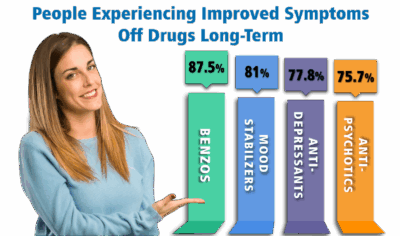
Typically, benzodiazepine users expect dreadful, lingering withdrawals, and likely a return of symptoms. This is not the case at Alternative to Meds Center. We use a vast number of safe and effective, clinically proven ways to reduce and eliminate harsh reactions and symptoms that would otherwise accompany benzodiazepine withdrawal, even protracted withdrawal. We know it doesn’t have to be impossible, or dreadfully intolerable.
[ ” “]How Long Does Benzodiazepine Withdrawal Last?
The timeline for benzodiazepine withdrawal will vary from person to person because of many individual factors including dosage, duration of use, the overall health of the person, other drugs that are taken, and age, for example. A prime factor that can determine how long benzodiazepine withdrawal symptoms will last is how gradual or how rapid the withdrawal was done. Abruptly stopping benzodiazepines can result in life-threatening reactions, and may cause long-lasting or protracted withdrawal over many months or even years. Properly monitored gradual withdrawal will give the best outcome possible, over a timeframe closer to weeks or months. Preparing for benzodiazepine withdrawal is also key to success, and is discussed in more detail below.
Benzodiazepine Withdrawal Symptoms
Notes about adverse drug withdrawal events:
 Pre-marketing drug trials are often short, and there is typically scant attention given to withdrawal symptoms, especially for novel drugs. There is every chance that withdrawal symptoms from certain drugs may extend beyond what has been described in the published medical literature. There is a voluntary reporting system that patients, doctors, and other care providers can use to forward information on withdrawals and other drug adverse events to drug regulators in the US. Please visit the FDA’s AEMS website for more information on how reporting adverse drug events and withdrawal reactions can be useful to drug regulators, for capturing safety signals and other consumer protection actions. Instructions are provided there for the consumer to follow.
Withdrawals from benzodiazepines are known for potentially intense, harsh symptoms. As noted in The 2001 Emergency News Journal, one of the most common first signs of benzodiazepine withdrawal is a mild change in behavior. The average time of onset of withdrawal symptoms can vary, typically presenting within 1 to 5 days after discontinuation.45
The list of benzodiazepine withdrawal symptoms has been taken from the FDA black box warnings for all benzodiazepine withdrawals and other sources where indicated.34 While the list may seem extensive it may not be complete due to reporting gaps that can occur in clinical and non-clinical settings.
Benzodiazepine Withdrawals include:
- Thoughts about suicide or other self-harm behaviors 34,35
- Homicidal thoughts or behavior 35
- Seizures — can be life-threatening
- Rebound insomnia, anxiety, panic attacks, depression 1,7,33
- Abnormal movements, akathisia (relentless compulsion to stay in motion, repeating involuntary motions, pacing, marching, rocking, accompanied by intense feelings of restlessness and profound unease)
- Tardive dyskinesia*
- Catatonia
- Delirium tremens
- Depression
- Extreme sensitivity to stimuli, i.e., lights, sounds, motion, etc.
- Panic attacks
- Anxiety, irritability, emotional outbursts, bouts of crying, etc.
- Hallucinations
- Psychosis
- Mania
- Paranoia, panic attacks
- Tremors
- Aphasia (full or partial loss of language, loss of ability to form words or sentences)
- Blurred vision
- Insomnia
- Impaired memory
- Muscle pain, stiffness, spasms, muscle tension, jerks, cramps 1,7,33
- Headache
- Tachycardia (racing heartbeat at rest)
- Vomiting, nausea
*Drug-induced tardive dyskinesia is usually considered irreversible; however, curtailing benzodiazepine use as early as possible, as well as genetic research insights have shown some promise in preventing and reversing the condition.38
Alternative to Meds Benzodiazepine Withdrawal Resources
This article provides information on benzodiazepine withdrawal symptoms, benzodiazepine adverse effects, and holistic treatment options and services provided by the Alternative to Meds Center. If you are looking for information regarding safely stopping benzodiazepines, please see our benzodiazepine tapering page. And, if you are looking for non-drug treatment options please see our benzodiazepine alternatives page.
Benzodiazepine Withdrawal, Tolerance, and Drug-Induced GABA Deficiency

After using benzodiazepine drugs for relief from insomnia or anxiety or other issues, the body compensates for the changes that the drug has imposed and this is what leads to dependence. It happens quickly. In contrast, the body has a much harder time returning to normal function once benzodiazepine drugs have altered the natural chemistry of the nervous system and brain, and this dysfunction creates further shock and even injury if the benzodiazepines are withdrawn too fast.1,11,39
After a runner runs a mile, there is a phenomenon known as “oxygen debt.” Deep breathing will naturally compensate after the race. Similarly, one of the possible debilitating factors of benzodiazepine use is the fact that after a while benzodiazepine use creates “GABA debt.” According to a 2004 study published in the American Journal of Psychiatry, patients studied had lower occipital cortex GABA levels after chronic benzodiazepine use.9 It is often that drugs that augment neurochemical expression are actually spending those same neurochemicals, leaving the person with a deficit. There is a pervasive assumption that the tolerance to benzodiazepines is attributed to the GABAA receptors becoming less responsive to the drug.10 But there is no quick way to bring the GABA levels back up to healthy normal. During treatment, there is a slow way, which involves diet and supplements and other ways to help the body rebuild and restore these and other essential elements needed for robust natural mental health.
GABA deficiency is, at least in part, one reason why the drug will “stop working” after a week or two or perhaps a bit longer. Possibly the person may begin to experience “paradoxical effects.” This means if the drug was meant to calm you down, it will now intensify your anxiety. If you took it to get to sleep, it will now keep you awake. But if you stop taking it altogether, your body reacts with a shocking vengeance. Please note, that it can be life-threatening to stop taking benzos suddenly.11
This is a horrible trap to find oneself in and needs well-planned strategies to successfully escape without further harm. This is our specialty at Alternative to Meds Center and we have helped thousands to return to good health after benzodiazepine use. There is a road to recovery and it is authentically provided at Alternative to Meds Center.
The Quick Fix is a Fake Fix
There is no real quick fix when it comes to health or mental health. Benzos may help in a crisis of unusual stress or anxiety. They work nearly immediately, unlike the slower arc of time that SSRIs need to fully kick in. While a fast-acting drug may seem like a perfect solution, overprescribing has developed into a dangerous trend. Medical school does not train general practitioners about proper guidelines for prescribing benzodiazepines, and in many cases, doctors are “winging it” with disastrous results for their patients.44 While quick action may serve a pressing need in a dire situation, benzodiazepines are not at all suitable for long-term use. Coupled with the lack of education, and time pressures that doctors face, there has developed a tendency toward giving patients a quick answer to everything that is troubling, without taking time to search for more underlying reasons for anxiety or insomnia, or other conditions. This tendency has led to at least a doubling of the number of benzo prescriptions over the last few years.3
 A good gardener knows there is no such thing as a quick fix. A good mechanic also knows. It takes getting into the guts of the situation and digging around and testing to discover the actual problem. Then you can implement a real resolution to the root cause of the problem. That is our prime goal at Alternative to Meds Center. We take the time necessary to do the work.
Using an arsenal of diagnostic tools such as testing for deficiencies or the presence of toxins in the body, and even testing genetic factors that can be relevant, we focus on resolving the causes of symptoms that likely lead to seeking a prescription of benzodiazepines in the first place. Non-physical contributory factors are also explored in counseling and life coaching and other therapies for authentic relief. Drugs can only mask symptoms, numb unwanted feelings, and make a person less aware of their very real pain or discomfort. Sometimes, indeed, this is a necessary and even humane action. However, they do nothing to cure or resolve the source of the problem. At Alternative to Meds Center, we aim to do just that; find the root cause(s), and address those for lasting relief. That way, coming off benzodiazepines will not leave a person in dire straits. This is because their symptoms will be reduced markedly. Reduction of symptoms is typical even during the pre-withdrawal phase of our program.
Benzodiazepines are primarily used for lessening anxiety and promoting sleep. The most recent advisories both in the US and abroad recommend short-term use only, no longer than a number of weeks.12 Benzodiazepines are the most common category of prescription medications that Alternative to Meds Center addresses. An unsupported benzodiazepine withdrawal process could be considered by many, to be close to impossible.1,2,7,10-12
These are powerful drugs and can alter neurochemistry even after short-term use, (4 weeks or less), and especially when used long-term (more than 4 weeks) may end up causing more adverse reactions than they were targeted to address.40 Never abruptly stop taking benzodiazepine drugs, as to do so may intensify and lengthen the withdrawal symptoms considerably. Alternative to Meds Center specializes in relieving benzodiazepine discontinuation syndrome and the protracted symptoms of withdrawal that individuals who taper at home may unfortunately face. At the center, we focus on correcting the causes of anxiety or insomnia so that an individual can be free of these symptoms, and also free of benzodiazepine adverse effects, and free from benzodiazepine withdrawals.
Learn About the Alternatives to Benzodiazepines
We have found that in many cases of chronic anxiety, the individual has in fact accumulated neurotoxins and heavy metals in the body, which can overstimulate the CNS. A clear association has been reported in various studies observing the effects of toxic exposures to pesticides, heavy metals, and other neurotoxic materials. According to research, humans, as well as animals and aquatic creatures, are susceptible to the overstimulating effects of such exposures. In fact, this overstimulation could well have been the reason for the prescription of benzodiazepine medication in the first place.18-24
Clearly, a person who experiences constant anxiety may suffer from a burden of neurotoxic accumulations, such as mercury, lead, chemical food additives, aspartame, industrial cleaners, and pesticides. For long-term relief and neurotransmitter rehabilitation, the toxic burden has to be removed.
Can Pesticides Create Anxiety?
Consider how pesticides kill their prey. A grasshopper may encounter a toxic insecticide that is specifically designed to kill it. The following summarizes how the process works:
- The toxin gets absorbed through the grasshopper’s exoskeleton.
- The toxin moves through the body and enters the nervous system.
- The poison (pesticide) molecules cause the acetylcholine channels of the grasshopper’s nervous system to lock in the “open” position. These channels cannot now close.
- Because acetylcholine is a neurochemical with stimulant or excitatory properties, this will cause the grasshopper to jump, twitch, or convulse.
- The continued influx of acetylcholine causes catatonia (repetitive motions) to the point of exhaustion and a comatose state.
- The grasshopper eventually dies.
 Humans and grasshoppers as well as many other life forms have some similar neurology.13,14 They also share reactions to toxins that have invaded the CNS. If the toxic load in a person is potent enough, the excitatory effects of the toxic material can cause similarly unbridled overstimulation, which we may recognize as chronic anxiety. Studies have shown the toxic effects on neurons by exposure to metal nanoparticles as an example.4
Individuals who have been exposed to environmental poisoning have developed certain immunological syndromes and neurological conditions as a result.15
Similar to the grasshopper, an over-accumulation of acetylcholine in humans can cause neurochemical overstimulation. Our nervous systems use acetylcholine for stimulation. We are subject to bioaccumulation and exposure to many types of toxins that can inflict this excitatory property and are also linked to a troubling number of other types of health breakdowns.
Examples of neurotoxins people are commonly exposed to include:
- Mercury* from dental amalgams, lightbulbs, lead, and other heavy metals are neurotoxic. 15-17,31,41
- Aspartame is toxic to the myelin sheath and is a neuron disruptor.5
- MSG is toxic to brain cells.6
- Mycotoxins and microfungi can cause disease and death in humans.26,27
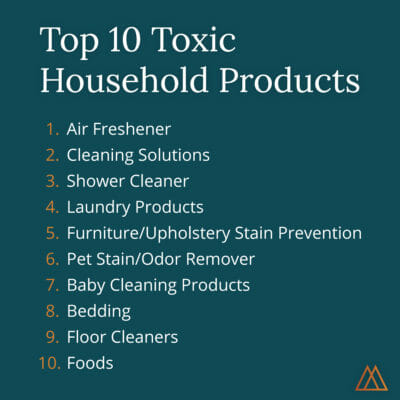
- Chemicals in cleaning products (phthalates and other endocrine disruptors) 9
- Chemicals such as phthalates, mercury, talc, etc., in personal products 25
- Chemicals in processed foods 28
- The “forever chemicals” (PFAS) are linked to immune and endocrine disruption, cancers, and other health issues.42,43
- Water treatment residues create cellular dysfunction including chlorine, fluoride, dioxins, and PCBs, for example. 29
- We advise researching all personal and household products for safety before use.
*According to a study by Ganser and Kirschner, mercury can damage the myelin sheath, a potentially life-saving discovery from their neurotoxicity research.
 Toxins can significantly impact endocrine glands and can cause hormone imbalance, such as adrenal burnout, and elevated cortisol levels.
Often, the source of anxiety is the build-up of neurotoxins over the lifetime of the person. This is because these toxins and heavy metals are fat-soluble, and they tend to accumulate and linger in fatty tissue over time and have properties that can overstimulate and induce other impairments within the central nervous system.5,31
These residual toxic effects will likely continue to negatively impact neurology until they can be removed. The good news is that these toxic elements can be removed safely, and health can be restored once again. It is possible to investigate, discover, and correct the varied root causes of anxiety. We also provide counseling that can help overcome anxiety and its negative impacts that may have affected a person on so many levels of their life.
The CDC reported in the 2020 toxicological profile for lead, that the neurological impacts of both short-term and chronic lead exposure in children and in adults are significant. The reported effects included cognitive impairments, intellectual deficits, delayed childhood developments, mood disruption, compromised immune system, depression, and a host of other reactions to lead exposure. 41
We have observed at Alternative to Meds that psychological therapies may be enhanced in their effectiveness after unburdening bioaccumulation of toxic materials.
How Does Benzodiazepine Withdrawal Affect the Body?
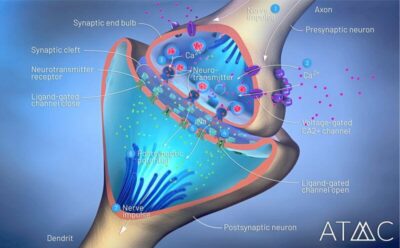 Clinicians and researchers continue to search for more clarity on why benzodiazepine withdrawal is so difficult. Coming off these drugs is disruptive to the entire CNS and affects the amazingly complex relationships between neural connections, glands, muscles, etc., throughout the entire body.
Generally, the medical consensus is that at least in part, benzodiazepines act on GABA in the body.30 GABA (gamma-aminobutyric acid) is the body’s primary inhibitory (calming, dampening) neurotransmitter. One of the effects of benzodiazepine drugs is to make nerve synapses in the brain more permeable to GABA. This means that GABA’s dampening effects are strengthened, and therefore more able to slow or inhibit more excitatory nerve impulses traveling along the CNS. Hence the sedating effect of benzo drugs. However, the presence of benzodiazepines causes the body to use up available GABA. When the GABA has been spent, the result is that everything can become overstimulating.9
Removal of Toxic Load Helps Restore Neurochemistry
GABA is available for purchase as a natural supplement. However, GABA and other natural neurochemicals can be rendered ineffective because of the presence of toxic elements that impair the CNS.31 Alternative to Meds Center programs are designed to remove this toxic load to enable the body to utilize natural substances like GABA, and others, to normalize neurochemistry. Restoring neurochemistry by cleaning out toxins typically decreases anxiety, mental fog, fatigue, and other symptoms. Testing helps confirm this significant marker, that informs us when we can begin to comfortably reduce anxiety medication. Given proper support, one does not have to decide between continuing medication or continuing symptoms.
[ ” “]
How Does Benzodiazepine Tolerance and Dependence Develop?
 After as little as two to four weeks, tolerance can begin to develop. After tolerance develops, there is a decrease in the effectiveness of repeated doses of the medication.32 Tolerance occurs when the body begins to adapt to the presence of the drug. After establishing a degree of tolerance, stopping or reducing the drug can be expected to produce withdrawal symptoms.
Despite the enormous popularity of benzodiazepines, prescribers have been strongly cautioned by regulatory bodies to restrict the dosage levels and the length of time a patient is prescribed these drugs. Also, doctors are advised to carefully monitor the patient – in person – before refills are provided for anti-anxiety drugs.
The brain and central nervous system are incredibly complex in their structures and interactions, so much so that only a small percentage of this knowledge has been discovered so far. But we do know that it takes careful methods to reduce benzodiazepine drugs without initiating harsh withdrawals.
What Are Benzodiazepine Withdrawal “Rebound” Symptoms?
 When a person begins taking benzodiazepines for anxiety, for example, there will likely be an immediate relief for a period of time. However, when the drug is discontinued or reduced, the anxiety can “rebound,” or reappear, often more intensely than was experienced before the prescription began.8
This can be quite disturbing for the person who intends to gradually reduce their medication, as it can make withdrawal seem daunting, unpredictable, and impossible to tolerate.
In addition to rebound symptoms, on reducing the medication, there can also emerge a set of new symptoms — ones that were not present before starting the prescription. These withdrawal symptoms can be crushingly harsh. Sometimes a person will be suffering from rebound symptoms and withdrawal symptoms concurrently, which can become so extreme as to be nearly impossible to tolerate without medical assistance, as would be available in an inpatient setting.1,7,33
What is Benzodiazepine Withdrawal Syndrome?
 Benzodiazepine withdrawal syndrome is a medical term that covers the effects of stopping benzo drugs. These physiological symptoms typically present in “waves” or phases, starting with the acute or immediate effects, which can include the rebound symptoms as discussed in the previous section.
The next phase of withdrawals is the full-blown set of withdrawal symptoms, which can last for a number of weeks. These symptoms are described in the list below.
The next phase is often termed protracted withdrawal, where the symptoms such as anxiety, akathisia, and others listed above in this article may return and linger until treatment can lessen these symptoms. Protracted withdrawal can last for many months or even longer but can be made less harsh with closely monitored treatment.8,39
How Can Benzodiazepine Withdrawal Syndrome Be Eased?
The cleansing of neurotoxins out of the body is a foundation for success, and typically provides relief from insomnia and anxiety, and provides calmness, and improved appetite. Neurotoxin removal can include heavy metal chelation, sauna treatments, clay packs, colon hydrotherapy, and many other techniques for neurotoxin removal. Once stabilized, the gentle taper process can be initiated slowly, at a pace that the person feels they can easily tolerate. Bridge medications such as Depakote, Tegretol, or an anticonvulsive such as gabapentin may be desirable for some,39 along with natural supplements for maximum neurochemical rehabilitation.
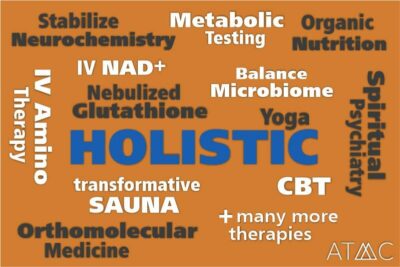
Along with a chemical-free, mostly organic, nutrient-dense diet and supplements, sauna therapy and many other adjunctive therapies are provided including massage therapies, medical acupuncture, treatment, Reiki, Yoga, Qi Gong, mineral baths, ionic foot baths, nebulized glutathione, bentonite clay packs, relaxation therapy, a number of genres of counseling, Life Coaching, art therapy, meditation, trainer-led exercises, Equine Therapy, and many other methods to improve and support well-being and recovery. You can review these and other therapies on our services overview page.
In addition to these protocols, a comprehensive educational component is given to ensure that each client has a thorough understanding of neurochemistry and how to maintain healthy, effective protocols for sustainable natural mental health.
These methods are designed to provide relief while focusing on the fundamental goal of restoring healthy neurochemistry holistically, without drugs. Your neurochemistry can be adjusted naturally through the withdrawal period and afterward so that you can achieve and maintain the authentic and long-lasting relief that benzodiazepines did not provide.
Why Does My Doctor Not Know How to Help Me?
 Our clients have often gone to their prescribing physician and asked for help, but no help was available beyond switching medications, and sometimes even upping the dosage to “relieve” (mask) symptoms.
It is an unfortunate fact that most physicians and psychiatrists do not receive adequate training on how to help taper a patient off medications.36 The lack of training often leads to other complications including patient resistance to medication withdrawal, all of which can be avoided if proper care is given.
We understand these sorts of complications and how to avoid them. We provide the gentlest, safest route possible back to healthy neurochemistry and relief of symptoms — ideally without relying on more drugs. Sometimes bridge medications may be needed for a short time. For some clients, it is not possible to get to absolute zero within the eight weeks of the program, but the client will leave the program with a plan to follow under medical guidance back home, to continue the taper and achieve full success. A client may opt to stay longer than 8 weeks, and we can provide aftercare resources if needed to assist the client to reach their goals.
Our Benzodiazepine Withdrawal Treatment Guidelines
 To summarize, the benzodiazepine taper program will begin with lab testing, to discover what corrective actions we can use to begin to normalize neurochemistry. There may be toxins, there may be deficiencies, and there may be genetic factors that show up that can be eased with properly targeted supplements or other protocols. Hormone or other imbalances, allergies, blood sugar levels, all play a part in designing the program for a successful and comfortable benzo taper.
While the cleansing process is ongoing, and throughout the remainder of the program, the body will be flooded with needed nutrients via supplements and a clean, nutrient-dense diet prepared by our gourmet chef using mostly organic produce, organic meats, and preservative-free and chemical-free raw ingredients. A correct diet provides maximum support for rehabilitating robust neurochemistry after pharmaceutical drugs have compromised the CNS.
Therapies continue throughout the program to provide comfort, and the educational components provide a deeper understanding of maintaining vibrant and energetic mental health naturally. Housed in our luxurious, warm and friendly center, there are over 40 highly trained and compassionate staff close by to help you in any way possible. Your success is our success.
How To Find Help For Benzodiazepine Withdrawals?
 Often, medical doctors who prescribe benzodiazepines do not have the training or experience to help their patients to withdraw from them. In fact, some physicians may express disbelief or lack of true comprehension of the difficulties that you are facing. They simply lack the training and that is why they could not have helped you, even if they desperately desired to do so.
There is hope. There is help.
If you think your situation is hopeless, as is the case with a significant percentage of our clients before they come to us, please reach out to us. At Alternative to Meds Center, we are here to help you safely, gently overcome the difficulties of benzodiazepine withdrawal and regain natural mental health.
Find Out More Information
We have been helping our clients for over 15 years and have worked out the best, most gentle, effective treatment protocols for coming off drugs with the least discomfort. But the other important issue is that causative issues can also be fixed. This means that whatever the source of the symptoms may have been, these can be resolved so that drugs become unnecessary. Physical health and mental health go hand in hand.37 A holistic approach, using effective therapies, can promote higher levels of sustainable good health — gently, naturally, and efficiently.
Please call us for more information about our world-class benzodiazepine withdrawal program at the Alternative to Meds Center.
for Benzodiazepine Withdrawal Help
1. Pétursson H. The benzodiazepine withdrawal syndrome. Addiction. 1994 Nov;89(11):1455-9. doi: 10.1111/j.1360-0443.1994.tb03743.x. PMID: 7841856. [cited 2026 April 15]
2. Ait-Daoud N, Hamby AS, Sharma S, Blevins D. A Review of Alprazolam Use, Misuse, and Withdrawal. J Addict Med. 2018;12(1):4-10. doi:10.1097/ADM.0000000000000350 [cited 2026 April 15]
3. Agarwal SD, Landon BE. Patterns in Outpatient Benzodiazepine Prescribing in the United States. JAMA Netw Open. 2019;2(1):e187399. doi:10.1001/jamanetworkopen.2018.7399 [cited 2026 April 15]
4. Feng X, Chen A, Zhang Y, Wang J, Shao L, Wei L. Central nervous system toxicity of metallic nanoparticles. Int J Nanomedicine. 2015;10:4321-4340. Published 2015 Jul 3. doi:10.2147/IJN.S78308 [cited 2026 April 15]
5. Okasha EF, “Effect of long-term administration of aspartame on the ultrastructure of the sciatic nerve.” Journal of Microscopy and Ultrastructure Vol 4 Issue 4 Dec 2016 [online] [cited 2022 May 10]
6. Xiong JS, Branigan D, Li M. Deciphering the MSG controversy. Int J Clin Exp Med. 2009;2(4):329-336. Published 2009 Nov 15. [cited 2022 May 10]
7. Herman JB, Brotman AW, Rosenbaum JF. Rebound anxiety in panic disorder patients treated with shorter-acting benzodiazepines. J Clin Psychiatry. 1987 Oct;48 Suppl:22-8. PMID: 2889722. [cited 2022 May 10]
8. Lyche JL, Gutleb AC, Bergman A, Eriksen GS, Murk AJ, Ropstad E, Saunders M, Skaare JU. Reproductive and developmental toxicity of phthalates. J Toxicol Environ Health B Crit Rev. 2009 Apr;12(4):225-49. doi: 10.1080/10937400903094091. PMID: 20183522. [cited 2022 May 10]
9. Goddard AW, Mason GF, Appel M, Rothman DL, Gueorguieva R, Behar KL, Krystal JH. Impaired GABA neuronal response to acute benzodiazepine administration in panic disorder. Am J Psychiatry. 2004 Dec;161(12):2186-93. doi: 10.1176/appi.ajp.161.12.2186. PMID: 15569888. [cited 2022 May 10]
10. Vinkers CH, Olivier B. Mechanisms Underlying Tolerance after Long-Term Benzodiazepine Use: A Future for Subtype-Selective GABA(A) Receptor Modulators?. Adv Pharmacol Sci. 2012;2012:416864. doi:10.1155/2012/416864 [cited 2022 May 10]
11. Brett J, Murnion B. Management of benzodiazepine misuse and dependence. Aust Prescr. 2015;38(5):152-155. doi:10.18773/austprescr.2015.055 [cited 2022 Mar 15]
12. Ashton H. Guidelines for the rational use of benzodiazepines. When and what to use. Drugs. 1994 Jul;48(1):25-40. doi: 10.2165/00003495-199448010-00004. PMID: 7525193. [cited 2022 May 10]
13. Wang H, Foquet B, Dewell RB, Song H, Dierick HA, Gabbiani F. Molecular characterization and distribution of the voltage-gated sodium channel, Para, in the brain of the grasshopper and vinegar fly. J Comp Physiol A Neuroethol Sens Neural Behav Physiol. 2020 Mar;206(2):289-307. doi: 10.1007/s00359-019-01396-4. Epub 2020 Jan 4. PMID: 31902005; PMCID: PMC7073303. [cited 2022 May 10]
14. Barron AB, Klein C. What insects can tell us about the origins of consciousness. Proc Natl Acad Sci U S A. 2016;113(18):4900-4908. doi:10.1073/pnas.1520084113 [cited 2022 May 10]
15. Genuis SJ. Toxic causes of mental illness are overlooked. Neurotoxicology. 2008 Nov;29(6):1147-9. doi: 10.1016/j.neuro.2008.06.005. Epub 2008 Jun 24. PMID: 18621076. [cited 2022 Mar 15]
16. Orisakwe OE. The role of lead and cadmium in psychiatry. N Am J Med Sci. 2014;6(8):370-376. doi:10.4103/1947-2714.139283 [cited 2022 May 10]
17. Siblerud RL. The relationship between mercury from dental amalgam and mental health. Am J Psychother. 1989 Oct;43(4):575-87. doi: 10.1176/appi.psychotherapy.1989.43.4.575. PMID: 2618948. [cited 2022 May 10]
18. Levin HS, Rodnitzky RL, Mick DL. Anxiety associated with exposure to organophosphate compounds. Arch Gen Psychiatry. 1976 Feb;33(2):225-8. doi: 10.1001/archpsyc.1976.01770020061010. PMID: 1252099. [cited 2022 May 10]
19. Bui Thi NH, Nguyen Thi NA, Audira G, Siregar P, Liang ST, Huang JC, Hsiao CD. Chronic Exposure to Low Concentration Lead Chloride-Induced Anxiety and Loss of Aggression and Memory in Zebrafish. Int J Mol Sci. 2020 Mar 7;21(5):1844. doi: 10.3390/ijms21051844. PMID: 32156000; PMCID: PMC7084271. [cited 2022 May 10]
20. Abu Bakar N, Mohd Sata NS, Ramlan NF, Wan Ibrahim WN, Zulkifli SZ, Che Abdullah CA, Ahmad S, Amal MN. Evaluation of the neurotoxic effects of chronic embryonic exposure with inorganic mercury on motor and anxiety-like responses in zebrafish (Danio rerio) larvae. Neurotoxicol Teratol. 2017 Jan-Feb;59:53-61. doi: 10.1016/j.ntt.2016.11.008. Epub 2016 Dec 3. PMID: 27919701 [cited 2022 May 10]
21. Nagyeri G, Valkusz Z, Radacs M, Ocsko T, Hausinger P, Laszlo M, Laszlo FA, Juhasz A, Julesz J, Galfi M. Behavioral and endocrine effects of chronic exposure to low doses of chlorobenzenes in Wistar rats. Neurotoxicol Teratol. 2012 Jan-Feb;34(1):9-19. doi: 10.1016/j.ntt.2011.09.011. Epub 2011 Oct 17. PMID: 22024238. [cited 2022 May 10]
22. Aitbali Y, Ba-M’hamed S, Elhidar N, Nafis A, Soraa N, Bennis M. Glyphosate based- herbicide exposure affects gut microbiota, anxiety and depression-like behaviors in mice. Neurotoxicol Teratol. 2018 May-Jun;67:44-49. doi: 10.1016/j.ntt.2018.04.002. Epub 2018 Apr 7. PMID: 29635013. [cited 2022 May 10]
23. Sansar W, Bouyatas MM, Ahboucha S, Gamrani H. Effects of chronic lead intoxication on rat serotoninergic system and anxiety behavior. Acta Histochem. 2012 Jan;114(1):41-5. doi: 10.1016/j.acthis.2011.02.003. Epub 2011 Mar 9. PMID: 21392819. [cited 2022 May 10]
24. Hawkey AB, Glazer L, Dean C, Wells CN, Odamah KA, Slotkin TA, Seidler FJ, Levin ED. Adult exposure to insecticides causes persistent behavioral and neurochemical alterations in zebrafish. Neurotoxicol Teratol. 2020 Mar-Apr;78:106853. doi: 10.1016/j.ntt.2019.106853. Epub 2020 Jan 3. PMID: 31911208; PMCID: PMC7061078. [cited 2022 May 10]
25. Zota AR, Shamasunder B. The environmental injustice of beauty: framing chemical exposures from beauty products as a health disparities concern. Am J Obstet Gynecol. 2017;217(4):418.e1-418.e6. doi:10.1016/j.ajog.2017.07.020 [cited 2022 May 10]
26. Empting LD. Neurologic and neuropsychiatric syndrome features of mold and mycotoxin exposure. Toxicol Ind Health. 2009 Oct-Nov;25(9-10):577-81. doi: 10.1177/0748233709348393. PMID: 19854819. [cited 2022 May 10]
27. Ratnaseelan AM, Tsilioni I, Theoharides TC. Effects of Mycotoxins on Neuropsychiatric Symptoms and Immune Processes. Clin Ther. 2018 Jun;40(6):903-917. doi: 10.1016/j.clinthera.2018.05.004. Epub 2018 Jun 5. PMID: 29880330. [cited 2022 May 10]
28. Burke-Furey L, McNicholas F. Food for thought: the importance of nutritional well-being during COVID-19 [published online ahead of print, 2021 Jan 18]. Ir J Psychol Med. 2021;1-6. doi:10.1017/ipm.2021.2 [cited 2022 May 10]
29. Bondy SC, Campbell A. Water Quality and Brain Function. Int J Environ Res Public Health. 2017;15(1):2. Published 2017 Dec 21. doi:10.3390/ijerph15010002 [cited 2022 May 10]
30. Haefely W. Benzodiazepine interactions with GABA receptors. Neurosci Lett. 1984 Jun 29;47(3):201-6. doi: 10.1016/0304-3940(84)90514-7. PMID: 6147796. [cited 2022 May 10]
31. Neuwirth LS, Volpe NP, Corwin C, Ng S, Madan N, Ferraro AM, Furman Y, El Idrissi A. Taurine Recovery of Learning Deficits Induced by Developmental Pb2+ Exposure. Adv Exp Med Biol. 2017;975 Pt 1:39-55. doi: 10.1007/978-94-024-1079-2_4. PMID: 28849442. [cited 2022 May 10]
32. Higgitt A, Fonagy P, Lader M. The natural history of tolerance to the benzodiazepines. Psychol Med Monogr Suppl. 1988;13:1-55. doi: 10.1017/s0264180100000412. PMID: 2908516. [cited 2022 May 10]
33. Cosci F, Chouinard G. Acute and Persistent Withdrawal Syndromes Following Discontinuation of Psychotropic Medications. Psychother Psychosom. 2020;89(5):283-306. doi: 10.1159/000506868. Epub 2020 Apr 7. PMID: 32259826. [cited 2022 May 10]
34. FDA Requiring Boxed Warning Benzodiazepine Safety Issues [online] Published Sept 23 2020; [cited 2022 May 10]
35. Benzodiazepine Information Coalition, “Incarcerated Benzodiazepine Patient Population Deaths” [online] published 2021 [cited 2022 May 10]
36. Lail P, Fairbairn N. Patients With Substance Use Disorders Leaving Against Medical Advice: Strategies for Improvement. J Addict Med. 2018 Nov/Dec;12(6):421-423. doi: 10.1097/ADM.0000000000000432. PMID: 29939874; PMCID: PMC6214759. [cited 2022 May 10]
37. Biddle S. Physical activity and mental health: evidence is growing. World Psychiatry. 2016;15(2):176-177. doi:10.1002/wps.20331 [cited 2022 May 10]
38. Fedorenko OY, Loonen AJ, Lang F, Toshchakova VA, Boyarko EG, Semke AV, Bokhan NA, Govorin NV, Aftanas LI, Ivanova SA. Association study indicates a protective role of phosphatidylinositol-4-phosphate-5-kinase against tardive dyskinesia. Int J Neuropsychopharmacol. 2014 Dec 28;18(6):pyu098. doi: 10.1093/ijnp/pyu098. PMID: 25548108; PMCID: PMC4438543. [cited 2022 May 10]
39. Chinyere I, et al, “Tapering Patients Off of Benzodiazepines.” Journal of the American Family Physician Iss Nov 2017 [online] [cited 2023 Jan 23]
40. Lader M. Benzodiazepines revisited–will we ever learn? Addiction. 2011 Dec;106(12):2086-109. doi: 10.1111/j.1360-0443.2011.03563.x. Epub 2011 Oct 17. PMID: 21714826. [cited 2023 Jan 23]
41. CDC Report, Toxicological Profile for Lead [published online] 2020 [cited 2023 Jan 23]
42. Beans C. News Feature: How “forever chemicals” might impair the immune system. Proc Natl Acad Sci U S A. 2021 Apr 13;118(15):e2105018118. doi: 10.1073/pnas.2105018118. PMID: 33833063; PMCID: PMC8054019. [cited 2023 Jan 23]
43. Ding N, Harlow SD, Randolph JF Jr, Loch-Caruso R, Park SK. Perfluoroalkyl and polyfluoroalkyl substances (PFAS) and their effects on the ovary. Hum Reprod Update. 2020 Sep 1;26(5):724-752. doi: 10.1093/humupd/dmaa018. PMID: 32476019; PMCID: PMC7456353. [cited 2023 Jan 23]
44. Rosser WW, Simms JG, Patten DW, Forster J. Improving benzodiazepine prescribing in family practice through review and education. Can Med Assoc J. 1981 Jan 15;124(2):147-53. PMID: 6109564; PMCID: PMC1705169. [cited 2023 Jan 23]
45. Greenberg M, Benzodiazepine Withdrawal Potentially Fatal – Commonly Missed Emergency Medicine New December 2001 Vol 23 Issue 12, p.18 [cited 2023 Jan 23]
Originally Published Feb 14, 2020 by Diane Ridaeus

ATMC Clinical Review Team
The ATMC Clinical Review Team includes licensed physicians and experienced healthcare professionals dedicated to ensuring the accuracy, quality, and integrity of our medical content. The team reviews articles for clinical accuracy, evidence-based guidance, and relevance while supporting Alternative to Meds Center’s whole-person approach to mental health, recovery, and long-term wellness.

Diane is an avid supporter and researcher of natural mental health strategies. Diane received her medical writing and science communication certification through Stanford University and has published over 3 million words on the topics of holistic health, addiction, recovery, and alternative medicine. She has proudly worked with the Alternative to Meds Center since its inception and is grateful for the opportunity to help the founding members develop this world-class center that has helped so many thousands regain natural mental health.